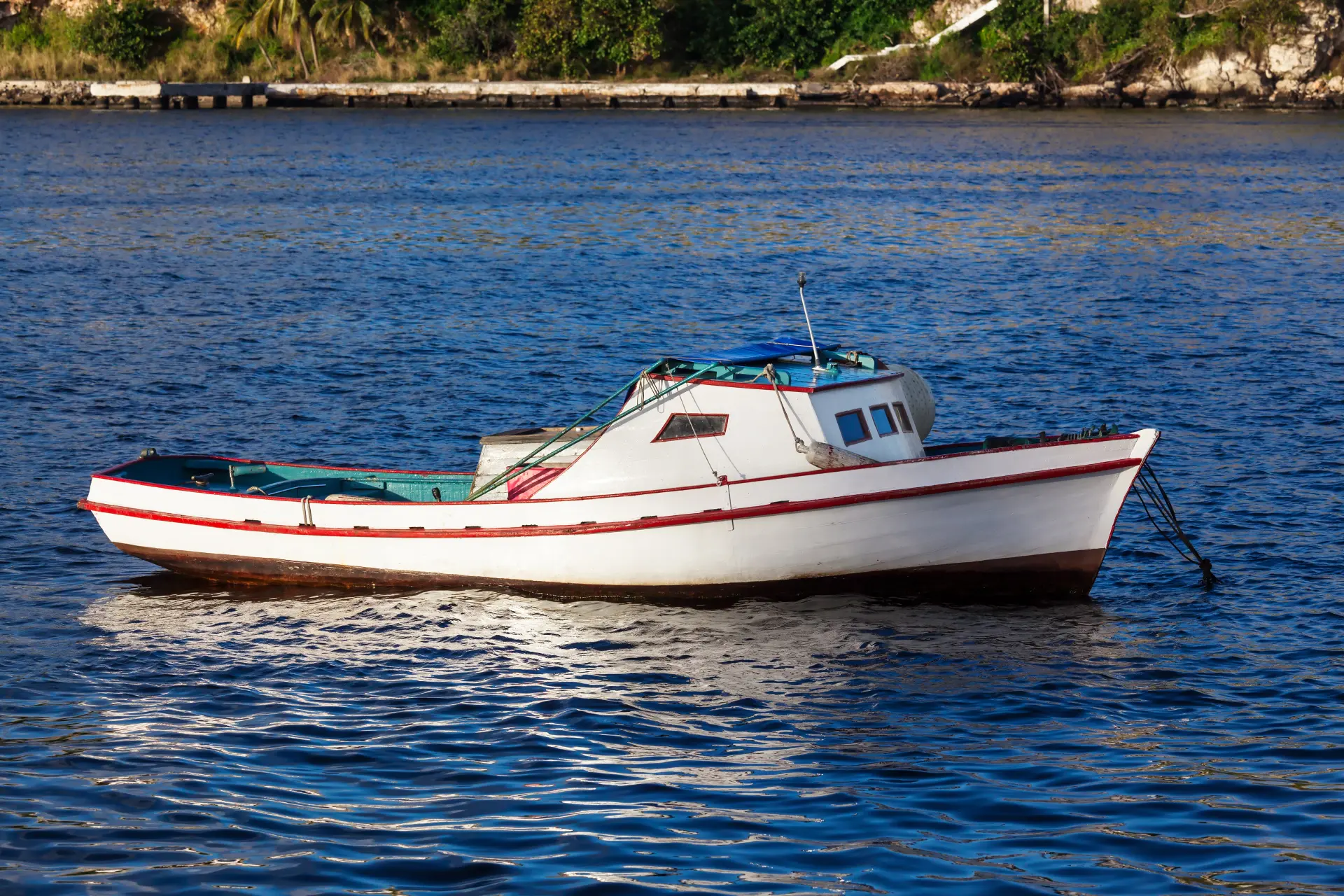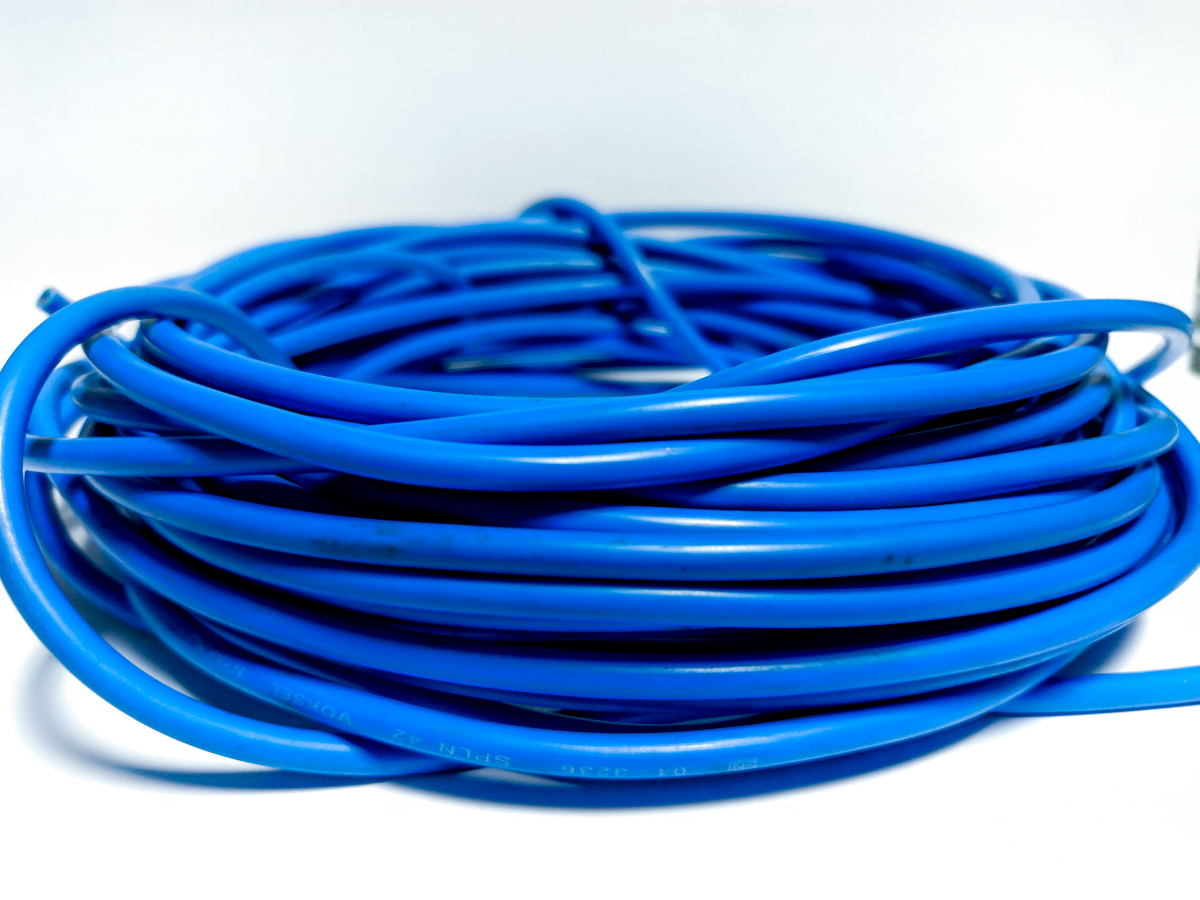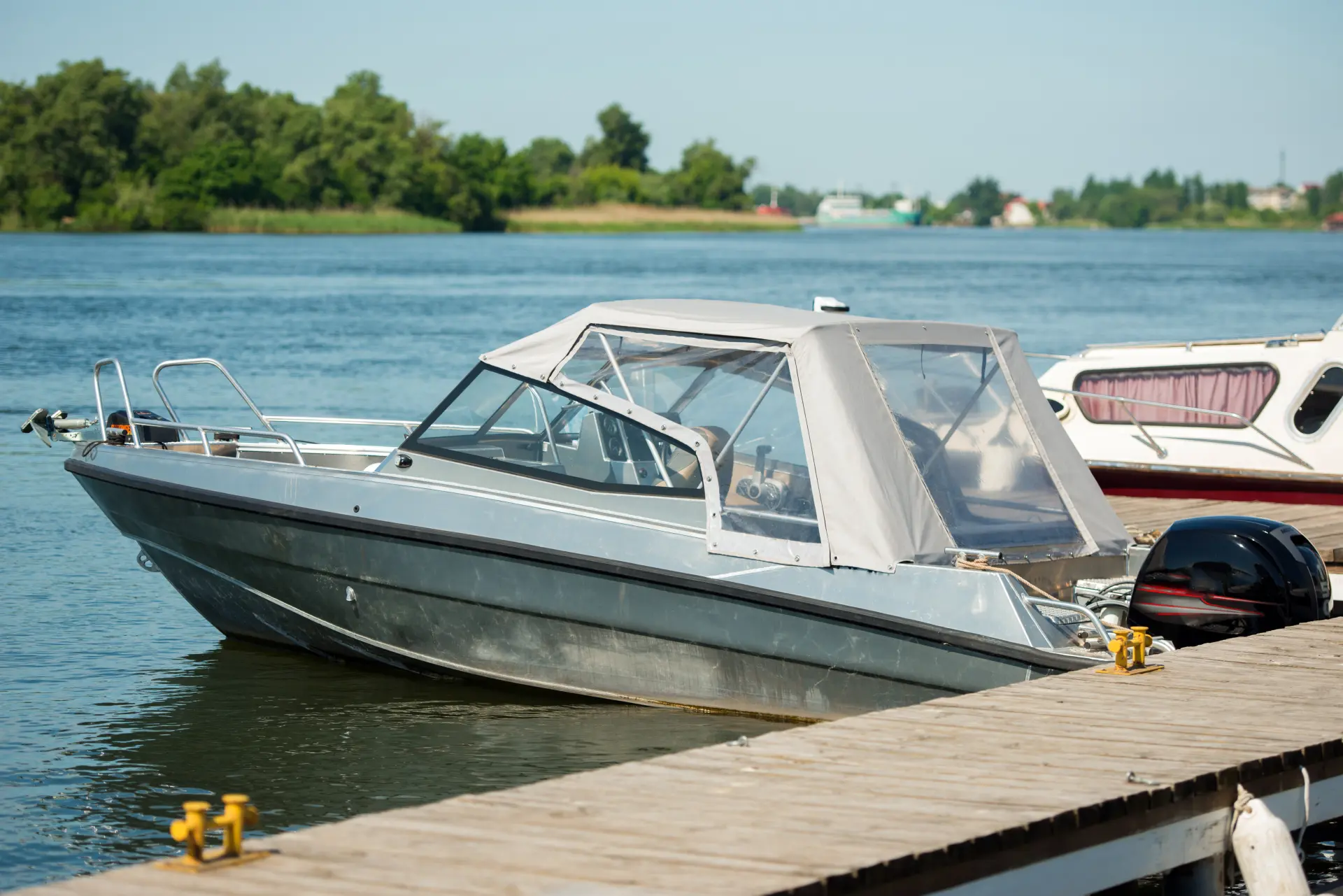
Find out what marine hoses do on boats and ships. Essential for moving fluids, cooling engines, and ensuring safety systems operate efficiently at sea.
Where marine hoses are used on board
Marine hoses are used all over boats and ships because they help move liquids and air between different parts of the vessel. They connect all the tanks, pumps, engines, and outlets so each system can do its job properly. Without hoses, many everyday tasks, such as running an engine, clearing water, or using a toilet, would not work.
You will often find marine hoses in engine spaces, where heat and vibration are constant. In these areas, hoses carry cooling water, move fluids, and help engines run at safe temperatures. They also need to cope with tight spaces and regular movement, which can slowly wear them down.
Marine hoses are also used in areas that handle water that should not stay on board. These include bilges, deck drains, and scuppers, where hoses move water away to help keep the vessel safe and dry. If these hoses fail, water can collect in places it should not, which can lead to damage and safety risks.
Hoses are also used in systems providing comfort and safety for those on board. Toilets, wash areas, and holding tanks tend to rely on the help of sanitation hoses, whereas firefighting and wash-down systems rely on safety hoses. Ventilation hoses help move air through cabins and machinery spaces, which supports comfort and helps limit any fumes and rising damp.
Fuel hoses and why they matter
Fuel hoses carry petrol or diesel from storage tanks to engines and equipment, so they are necessary for making sure your system is running properly. If a fuel hose is damaged, fuel can leak into the vessel, posing a dangerous risk of fire and harmful fumes. That is why fuel hoses must be strong, correctly fitted, and suitable for the type of fuel being used.
Fuel hoses also need to handle movement, vibration, and changes in temperature. On a boat or ship, even a small amount of rubbing or bending can get worse over time. A hose that looks fine at first can weaken slowly, especially near clips and connections.
Water intake and cooling hoses bring in seawater or freshwater to help cool engines and other equipment. These hoses protect the engine by keeping temperatures under control, which helps stop overheating and damage. If a cooling hose collapses, cracks, or comes loose, the engine may overheat quickly and cause serious trouble.
Bilge and drainage hoses remove any unwanted water from inside the boat and clear away water from the decks and storage spaces. They work alongside pumps and drains to move water overboard, which helps keep the vessel stable and reduces the risk of damage. If these hoses block, split, or kink, water can build up and create safety problems.
Sanitation and waste hoses carry all the waste from toilets to holding tanks or discharge points, depending on the system and local rules. They must resist leaks and reduce smells because even a small problem can make living areas unpleasant and unhygienic. These hoses also need to cope with cleaning products and constant use, which can wear out weaker hoses.
Fire and safety hoses support emergency systems, such as firefighting lines or wash-down setups. They need to work well under pressure and stay reliable when needed quickly. A damaged hose can reduce water flow at the worst time, which is why this type of hose should be kept in strong condition.
Air and ventilation hoses are there to help move fresh air into the cabins and machinery spaces, and they are good for removing fumes and warm air. This is a great way to enhance the passenger’s comfort and safety, especially near engines and fuel areas where fumes can build up. If ventilation hoses are crushed or split, air flow can drop, and smells and dampness can become worse.
Common hose materials and what they are used for
Rubber is widely used for marine hoses because it is flexible and strong. It is often used for cooling water, general water transfer, and some fuel lines, depending on the hose rating. Rubber can handle movement well, but it can still crack over time from heat, salt, and age.
Reinforced rubber hoses include extra layers inside the hose to improve strength. This reinforcement helps the hose resist pressure, vibration, and bending, which makes it useful for demanding jobs. You often see reinforced hoses used in cooling systems, fuel systems, and other areas where failure would cause bigger problems.
Plastic hoses are sometimes used for certain water and drainage tasks because they can be lightweight and easy to fit. They can work well in the right place, especially where temperatures are lower, and the hose is well supported. However, some plastics can become brittle with time, and they may not suit hot engine spaces.
Some hoses include wire or metal reinforcement to stop them from collapsing, especially on suction lines where a hose might otherwise pinch shut. This can be useful for intake hoses and some bilge setups, especially those where a steady flow matters. Sanitation hoses typically use special materials and thicker walls to help limit the smells and resist any damage from waste and cleaning fluids.
How Marine Hoses Keep Key Systems Working
Marine hoses help keep engines running by supporting cooling and fuel delivery. Cooling hoses move water or coolant to prevent engines from overheating, while fuel hoses supply the fuel needed for power. When these hoses work properly, engines run more smoothly and are less likely to suffer sudden problems.
Hoses also help control unwanted water on board through bilge and drainage systems. These systems get rid of the water that collects inside the vessel and clear rain or spray from decks and compartments. Keeping water moving out of the boat helps reduce rot, corrosion, and damage to equipment.
Sanitation hoses support hygiene by moving waste safely through the system. They help stop leaks and reduce smells when they are the correct type and are fitted well. This protects onboard comfort and helps keep living and working areas cleaner.
Ventilation hoses support safety and comfort by moving fresh air and removing fumes, heat, and damp air. This matters most in cabins, engine spaces, and storage areas, as these are places where the air can become stale. Good, strong air flow is best for avoiding condensation, lowering the chance of fumes building up, and making the onboard environment more pleasant.
Signs a hose needs replacing
Cracks, splits, and worn patches are clear signs that a hose may be close to failing. These problems usually appear near the ends of the hose, where it bends and where clips hold it in place. If you see damage on the outer surface, the inside layers may also be weakening.
Bulging, soft spots, and changes in shape can mean the hose is breaking down inside. A bulge may suggest the inner layers can no longer hold pressure properly. A hose that feels too soft or too hard compared with the rest can also be a warning sign.
Leaks, stains, or damp areas around fittings can point to a failing hose or a poor connection. Fuel smells, oily marks, and waste smells should never be ignored because they can signal a leak even if you cannot see liquid. Clips that are rusty, loose, or biting into the hose can also cause problems and may need attention along with the hose.
Poor system performance can also be a warning sign. An engine that runs hotter than usual, a bilge that does not clear well, toilets that struggle to flush, or vents that move less air than usual can all be linked to hose issues. Frequent checks help spot problems early, and replacing a worn hose in time is often safer and cheaper than dealing with a failure at sea.
Explore our range of marine hoses in Plymouth. Our hoses are designed to meet current boat and ship safety standards, ensuring the integrity and quality of your vessel. Count on us for high-quality, compliant hose solutions in Plymouth.