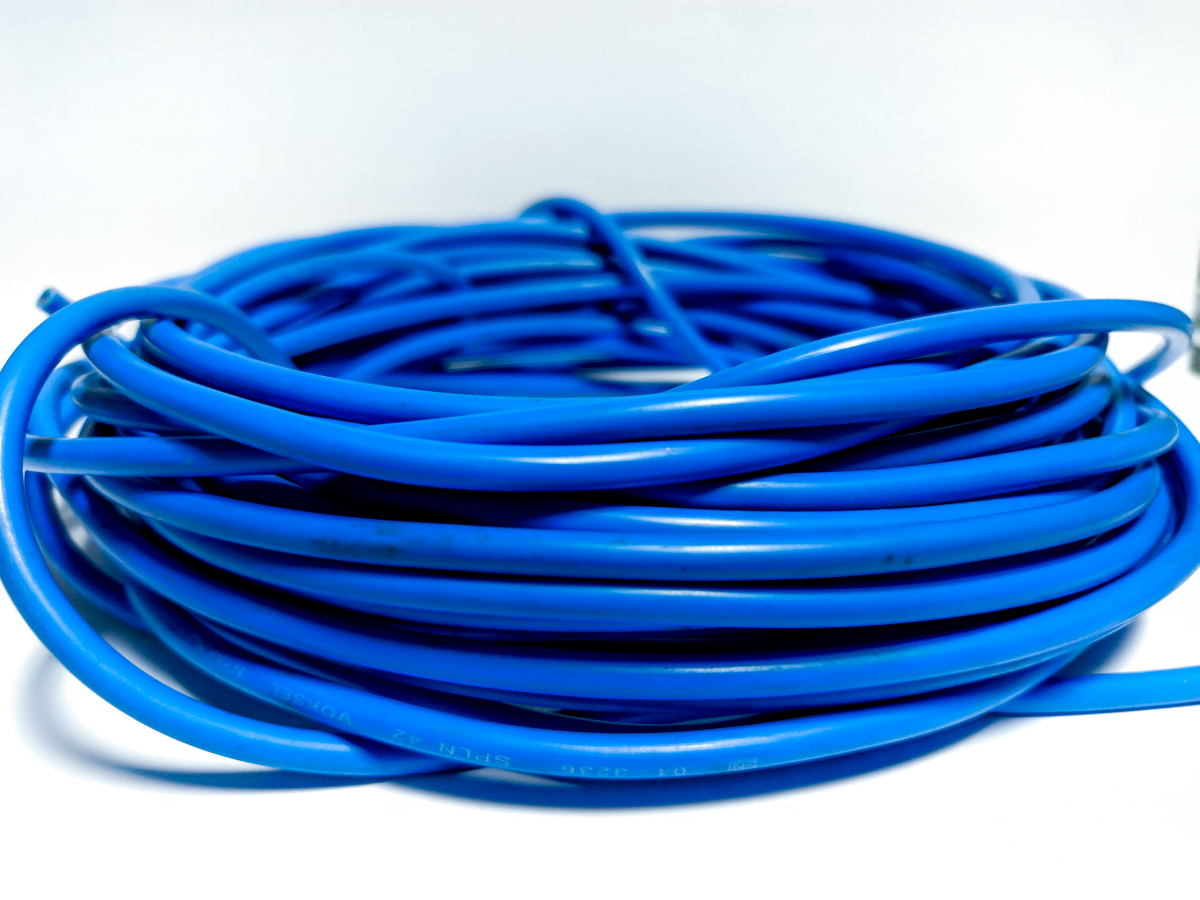
Food grade hoses move food and drink safely from one place to another. They protect taste, stop contamination and help sites work faster. You will find them across the food chain in the UK, from farms and bakeries to big bottling plants and mobile catering vehicles.
What makes a hose “food grade”
A food grade hose uses materials that are safe in contact with food. Common options include silicone, PVC that is clearly marked for food use, EPDM rubber, PTFE and special blends. The inner layer is smooth so liquids flow well and do not pick up taste or odour. The hose is designed to cope with pressure, vacuum, heat and cleaning chemicals. Many products meet FDA, EU and UK rules, and some carry potable water approvals for drinking water systems.
Core applications across the industry
In breweries, wineries and distilleries, hoses transfer beer, wine and spirits between vessels, filters and fillers. Flexible lines cope with tight spaces and quick changeovers.
In soft drink and water plants, clear hoses make it easy to see flow and help operators spot air or foam. Dairy sites use fat-resistant liners for milk, cream and edible oils, which protects flavour and hygiene. In bakeries and mills, abrasion-resistant hoses blow flour, sugar and grains from silos to mixers.
Meat and poultry processors rely on suction and delivery hoses that can handle solids as well as brine and marinades. Chocolate and syrup lines need smooth, heated hoses that keep viscosity stable so the product does not set in the line.

Mobile and outdoor food operations
Food trucks, pop-ups and event caterers use food grade hoses for fresh water supply, waste removal and LPG changeovers where approved designs apply. The vehicle must be roadworthy and safe to operate at all times, so owners keep their MOT current while also checking that water hoses and fittings remain clean and food safe. Markets and festivals often run temporary mains. Using approved hoses prevents taint and protects public health.
Bulk loading, tankers and site transfer
At dairies, breweries and edible oil sites, hoses connect tankers to plant manifolds. These transfer lines are built for higher flow and frequent coupling. Anti-kink covers protect bend points and help the hose last longer.
Where vacuum is used to unload, the hose wall is reinforced to prevent collapse. Colour bands and tags support traceability and allergen control, which is essential for HACCP plans.
Cleaning, CIP and steam service
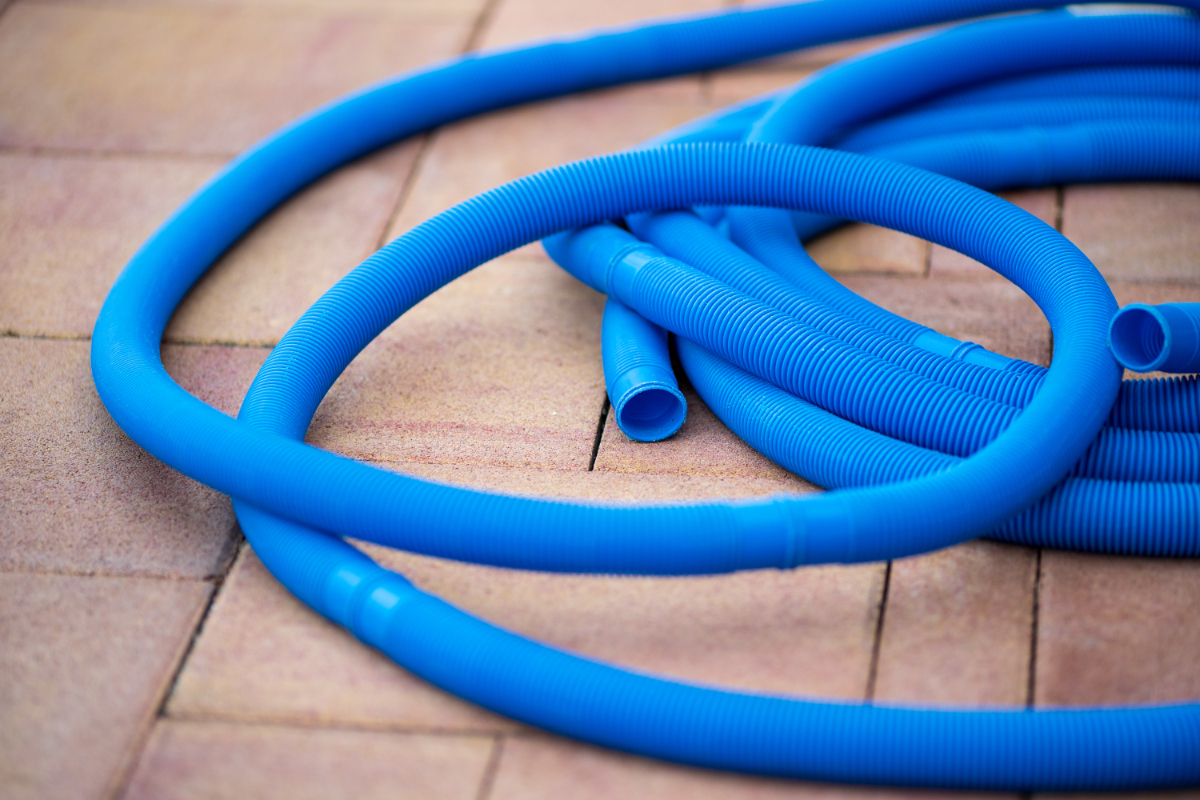
Plants must remove dirt, biofilm and residue without harming the hose. Food grade hoses tolerate the cleaning cycle, including alkaline and acid wash. Many are rated for hot water or steam so lines can be sanitised in place. Operators choose the right temperature and time so the hose keeps its shape and strength. Where hand cleaning is needed, use only approved accessories. The hose you use to wash a van, a pressure washer for a yard or to clean timber decking is not food safe. Keep those tools separate from any hose that touches product.
Water, ice and beverage dispense
Bars, cafés and hospitality venues use beverage hoses behind counters and in cellars. Clear, smooth bores help keep carbonation and flavour consistent. Ice machines and water coolers also need food safe supply lines. Using a garden hose here is a risk, as materials not made for food can leach into water.
Temperature, pressure and product type
Choosing the right hose depends on what you move and how you move it. Citrus juice and vinegar need acid-resistant liners. Edible oils need fat-resistant rubber. Powders need antistatic options to cut dust and reduce ignition risk. Vacuum transfer requires wire reinforcement. High pressure filling needs a rating with a safe working margin. Always match the couplings, gaskets and clamps to the hose and to the product, since a food grade hose is only as safe as the end fittings you install.

Storage, handling and hose care
Good handling extends hose life and improves safety. Store hoses off the floor, out of direct sun and away from sharp edges. Cap the ends when not in use. Train staff to move hoses by the body, not by the coupling. Inspect the cover for cuts, the liner for blisters and the ends for loose ferrules. Replace any hose that shows damage, bulging or odour transfer. Keep simple logs so you know the install date, cleaning method and change-out interval.
Energy, sustainability and long term value
Food grade hoses support sustainability by reducing waste and downtime. Smooth liners reduce pump load, which saves energy over time. Durable materials cut replacements and help sites keep spares to a sensible number. When planning new lines, think about hose lengths, route and support. The right radius and support saddles prevent flattening and extend service life.
Safety, people and the working site
Safe use depends on training and clear rules. Workers should know which hose is for which product and why. Segregate allergen lines and label them clearly. Keep pedestrian routes tidy so vehicles and people do not crush or trip over hoses. On mixed sites, protect hoses from forklift traffic and hot surfaces. If a spill occurs, isolate the line, clean the area and inspect the hose before you restart.
Why garden and general hoses are not suitable
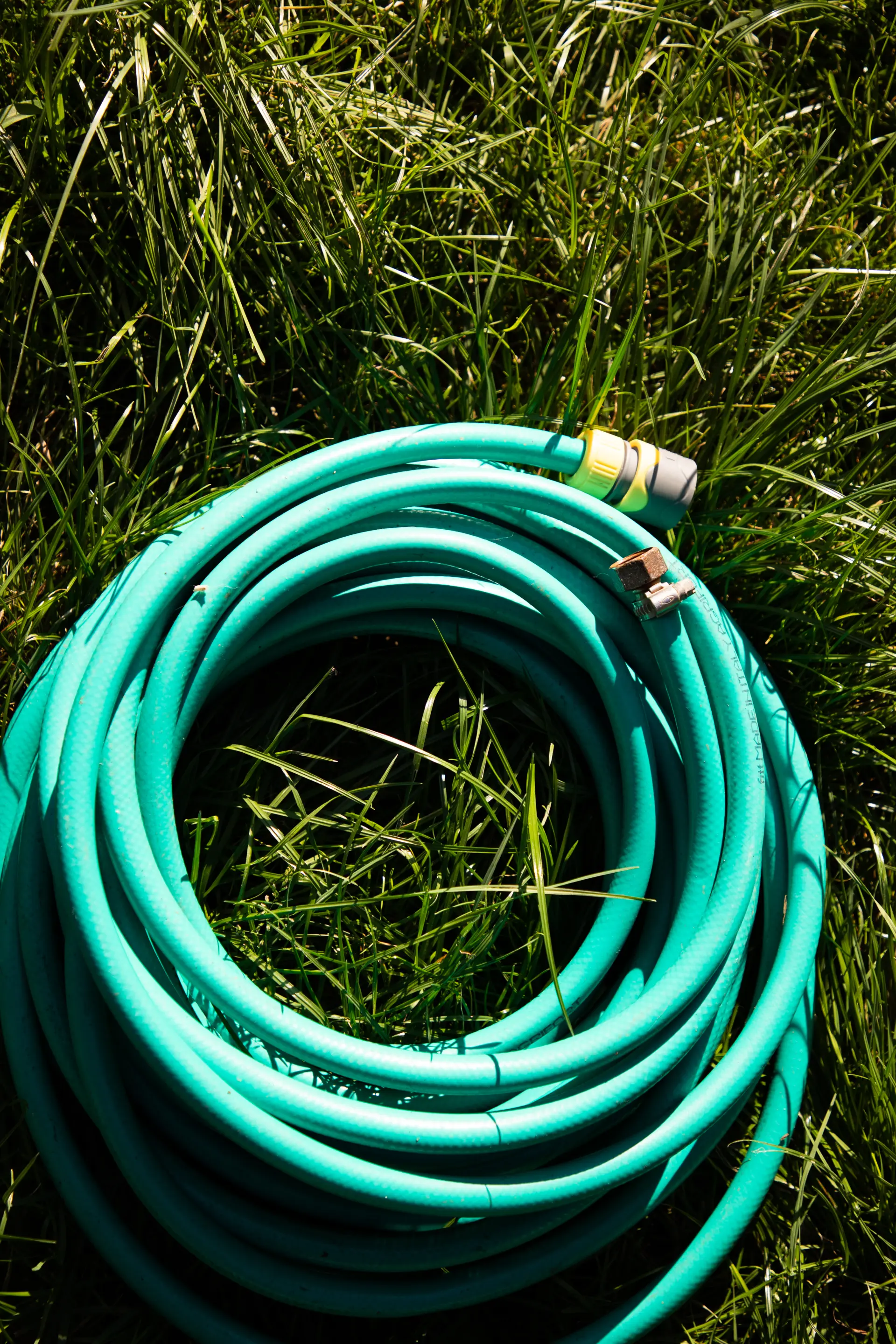
General hoses are designed to remove dirt, water plants or wash vehicles. They may contain plasticisers or metals that can taint food.
They are often rough inside, which traps residue and supports bacteria.
Only use hoses and couplings that are certified for food contact, and keep non-food kit for site cleaning only.
PVC for food contact
PVC can be safe for food contact when the product is made and certified for that use. Food grade PVC contains approved additives and has a smooth bore. It is flexible, light and easy to see through, which helps during setup and cleaning. For hot oil, strong solvents or very high heat, other materials such as PTFE or specific rubbers are a better choice.
Matching hose to your process
Start with the product, temperature and pressure. Add the cleaning method and the route on site. Choose the liner and reinforcement to suit. Pick hygienic couplings that are easy to clean and that do not trap product. Work with a supplier who can crimp, pressure test and tag each assembly to your precise specifications. A short trial on one line can confirm taste, flow and clean-down time before you roll out to the whole plant.
Key industries that rely on food grade hoses
Brewing and beverage, dairy, edible oil, sauces and condiments, confectionery, meat and seafood, fruit juice, bakery and milling, ready meals and pet food, hospitality and mobile catering.
Across these sectors, hoses keep production safe and efficient by providing flexible links between tanks, pumps, fillers and cleaning systems.
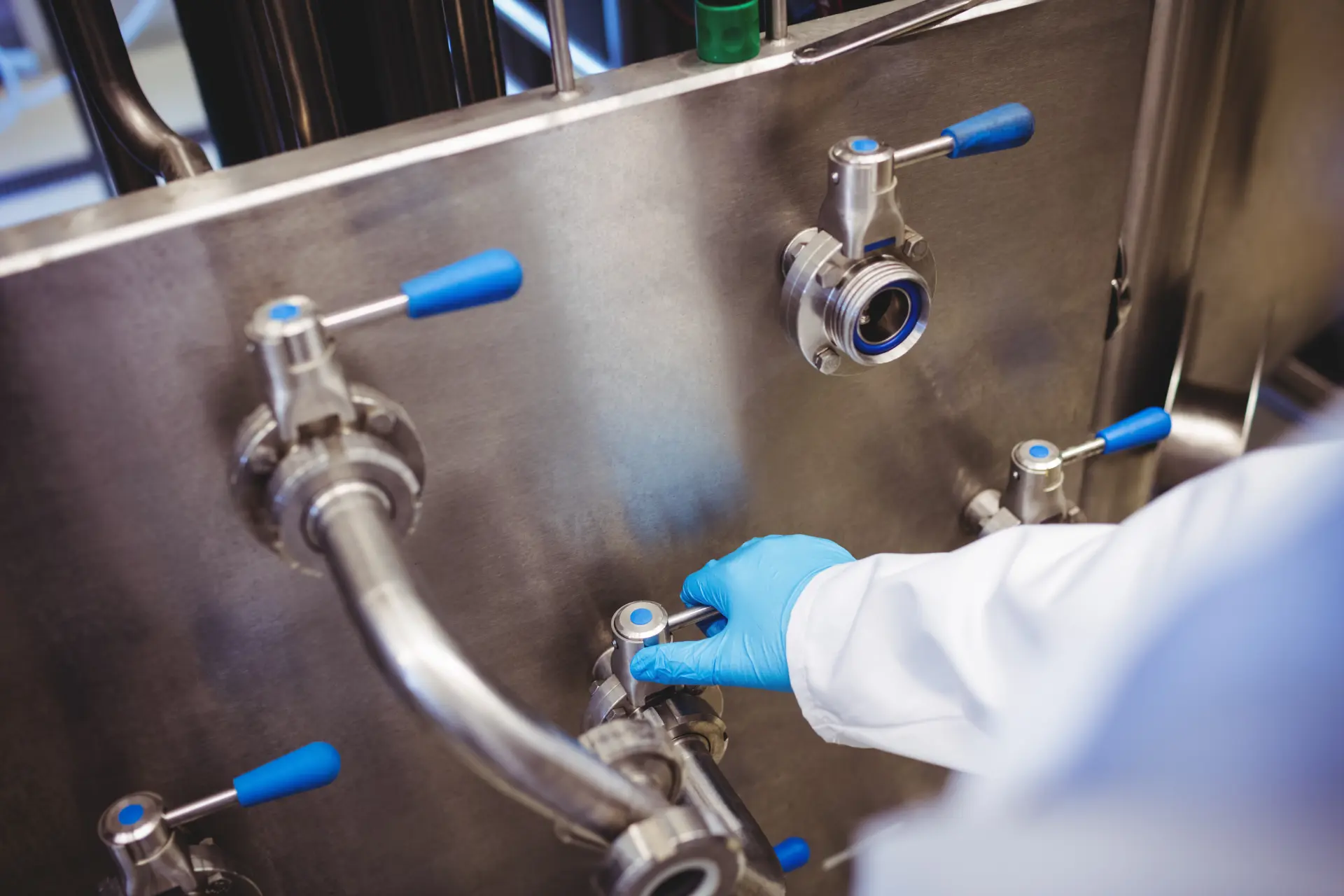
Applications For Food Grade Hoses
Food grade hoses are essential components in modern food production. They keep products safe, protect flavour and help sites run to time. Choose the right materials, fit the correct couplings, follow a clear cleaning plan and replace hoses before they fail. Whether you operate a large plant or a small vehicle-based kitchen, the right hose choice makes daily work safer, simpler and more reliable.
Explore our range of food-grade hoses in Plymouth. Our hoses are designed to meet strict food safety standards, ensuring the integrity and quality of your products. Count on us for high-quality, FDA-compliant hose solutions in Plymouth.